Monsoon travel to Igatpuri? Learn how Vivaant Retreat & Conventions ensures guest safety with water, food & hygiene protocols, plus health tips to stay well.
For a destination like Igatpuri, the monsoon is the season. The mist settles over the Sahyadris, the waterfalls return, and our busiest weeks of the year begin. It is also, and this is the part our industry talks about less, the season when infections rise sharply. Food poisoning, influenza, typhoid, hepatitis, dengue, malaria, chikungunya and leptospirosis all peak in these months.
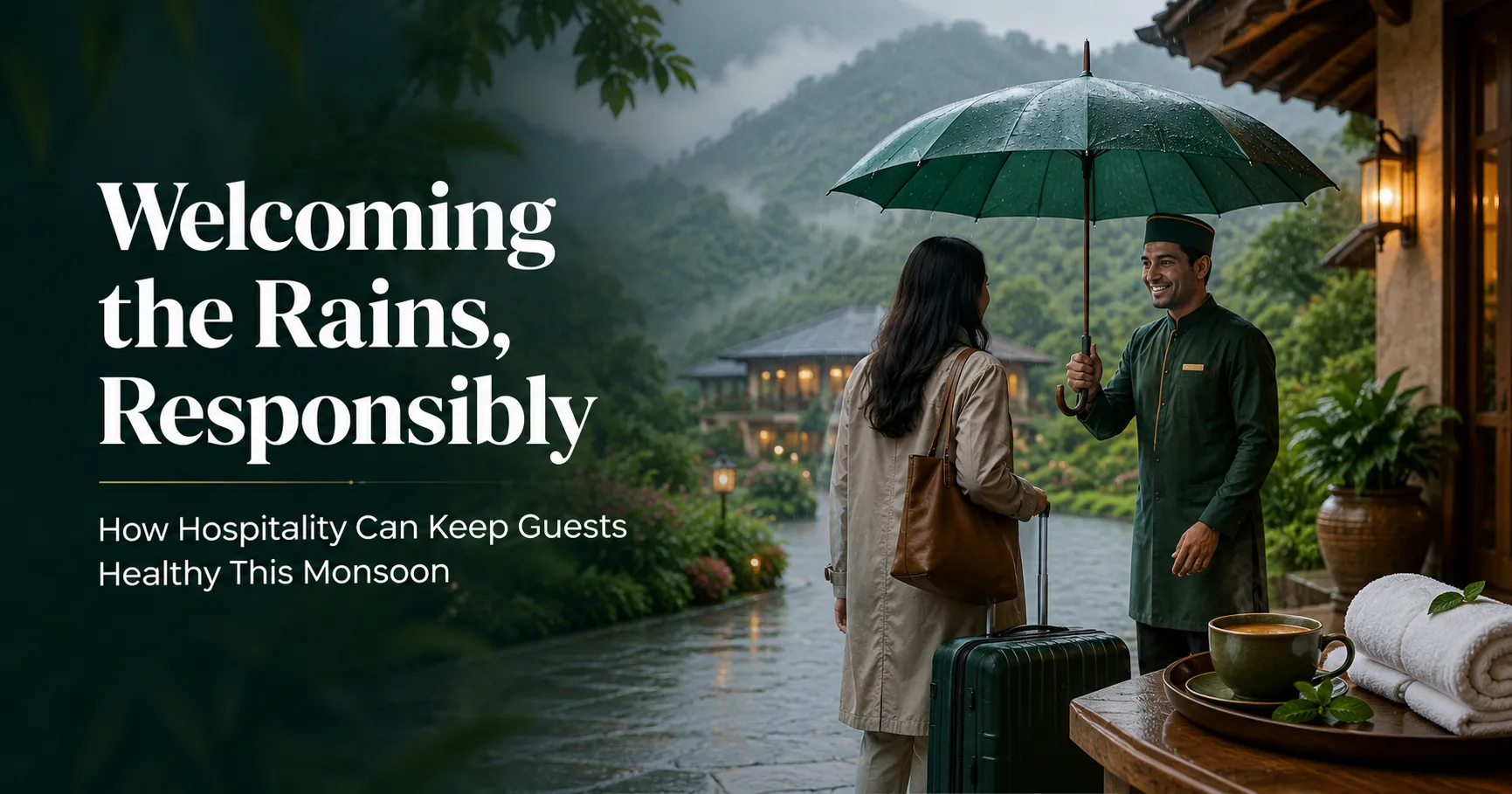
We cannot control the weather. Everything else, we can. A guest's health is the truest measure of our hospitality, and at Vivaant Retreat & Conventions we treat monsoon readiness as an operating discipline rather than a line in a brochure. Here is what that discipline looks like in practice, and what I believe every guest and every colleague in this industry should know.
Why the monsoon demands more from us?
Contaminated water, poor drainage and stagnant puddles create ideal conditions for bacteria, viruses and mosquitoes. A resort concentrates the risk: hundreds of guests eat from one kitchen, drink from one water supply and walk the same grounds. One lapse can affect many people in a single weekend. This is why the responsibility on our industry sits heavier in the rains than at any other time of year, and why guests should actively choose properties that take it seriously.
What a responsible property must do?
Water safety first. Purified (RO/UV-treated) or sealed bottled water everywhere: rooms, restaurants, banquets and staff areas. Overhead tanks cleaned on schedule and water quality tested regularly. Ice made only from purified water. No exceptions.
Food safety without compromise. Fresh preparation, strict cold-chain handling, covered storage, and no reuse of leftovers. Raw salads, pre-cut fruit and chutneys need extra caution in this season. Kitchen teams follow FSSAI hygiene norms — gloves, head covers, sanitised surfaces, and raw and cooked food handled separately.
Staff health and hand hygiene. Regular medical checks for food handlers and mandatory handwashing. We keep a firm rule that anyone with fever, cough or a stomach upset stays away from food and guest-facing duties until fully recovered. Vaccinations for influenza, typhoid and Hepatitis A are encouraged for the team.
Zero stagnant water on the property. Terraces, planters, coolers, drains and construction corners inspected daily. Anti-larval treatment and periodic fogging. Screened windows and repellents provided in rooms. Dengue prevention begins with the property, not the guest.
Housekeeping for a humid season. Dry, well-ventilated rooms. Fully dried linen, because damp linen grows fungus quietly. Regular sanitisation of high-touch surfaces such as door handles, lift buttons and banquet equipment.
Safe outdoor experiences. Waterfall visits and treks only with trained guides, and a weather check before every departure. Proper footwear advisories. Clear instructions never to wade through floodwater or waterlogged paths; water contaminated with animal urine can cause leptospirosis, a risk very few travellers have heard of.
Medical preparedness. A stocked first-aid room with ORS and paracetamol, a doctor on call, and a tie-up with the nearest hospital with transport worked out in advance. Every front-office team member should know exactly whom to call, and how fast.
What guests should know and practise?
Even at the most careful property, your own habits matter. Drink enough safe water. Keep ORS handy if anyone in the family has loose motions or vomiting; dehydration is the biggest risk, especially for small children and older adults. Wash hands before every meal. Use repellent in the evenings. Prefer freshly cooked, hot food over anything raw or from the roadside. Carry sensible footwear and rainwear for outdoor plans.
One more thing, and it matters: not every fever needs an antibiotic. Many monsoon illnesses, including influenza and dengue, are viral, and antibiotics do nothing against viruses. Rest, fluids and paracetamol are usually enough. If dengue is suspected, avoid painkillers such as ibuprofen, diclofenac, naproxen or aspirin until a doctor has seen the patient, since these can increase bleeding risk. Take antibiotics only when prescribed, and always complete the course.
Warning signs that should never be ignored
Whether you are a guest or a team member assisting one, seek medical attention promptly for any of the following:
Fever lasting more than 48 to 72 hours
Persistent vomiting or diarrhoea
Blood in the stool or vomit
Severe abdominal pain
Difficulty breathing
Yellowing of the eyes or skin
Confusion, unusual drowsiness, or seizures
If dengue is suspected and the person develops persistent vomiting, severe abdominal pain, bleeding, breathing difficulty or reduced urine output, treat it as an emergency. Do not wait. Early diagnosis sharply reduces the risk of complications, which is exactly why a property should have its medical response mapped before the season starts, not during it.
A word to my colleagues in hospitality
Guest safety has become the real luxury. Travellers notice whether the water bottle is sealed, whether the kitchen looks clean, whether the lawns hold puddles, and whether the team stays calm when someone falls ill at 11 pm. A single prevented illness earns more goodwill than any discount. Train the team before the season, audit the property every week through the rains, and tell guests openly what you do for their safety. They value the honesty as much as the precautions.
Take-home message
The monsoon should be remembered for waterfalls and hot chai, not a hospital visit. Safe water, fresh food, rigorous hygiene, mosquito control and early attention to warning signs will prevent almost every seasonal illness, or make it simple to treat. Choose properties that take your health seriously. Practise the basic precautions yourself. And if symptoms persist, see a doctor without delay. That is how we, as an industry and as travellers, get to enjoy the most beautiful season of the year.
Warm regards,
Awtar Sethi
Vivaant Retreat & Conventions
Igatpuri, Maharashtra